简体中文
简体中文 English


Notice:
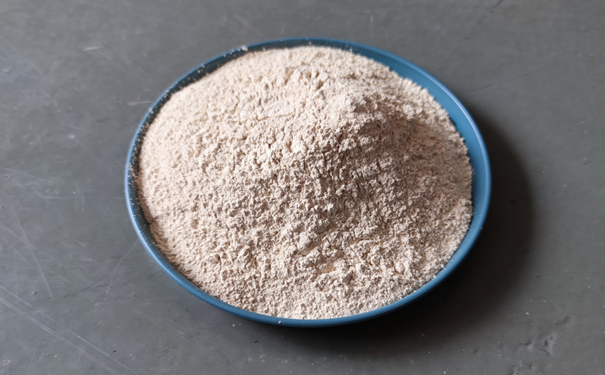
Calcium peroxide reacts with water to produce oxygen, thus having important applications in aquaculture, environmental protection, soil disinfection, agricultural planting, and food preservation. Its molecular formula is CaO2, with a pH of 12, classifying it as an alkaline oxidizing chemical. CaO2 has very low solubility in water, is almost odorless, and is insoluble in organic solvents such as ethanol and ether. It appears as a pale yellow powder. Calcium peroxide is very stable at room temperature, but begins to decompose when heated to approximately 315℃, and completely decomposes within the range of 400-425℃.
I. Basic Information
English Name: Calcium peroxide
CAS No.: 1305-79-9
Molecular Formula: CaO2
Molecular Weight: 72.08
EINECS No.: 215-139-4
Molecular Formula: CaO2
Molecular Weight: 72.08
II. Specifications
Appearance: White or slightly yellow powder
Composition: CaO2, CaO, Ca(OH)2
CaO2 Content, % ≥50-75.0
Particle Size Distribution, %: Through 200 mesh≥99%; Through 325 mesh≥50%
Bulk Density, g/L: 500~650
Fe, % ≤ 0.002
pH Value: 12
III. Production Process
1. Calcium Chloride Method
Low-temperature synthesis method of hydrogen peroxide and calcium chloride: Dissolve calcium chloride in water, add hydrogen peroxide, and react at low temperature to produce calcium peroxide. The reaction temperature is generally controlled below 0℃ to prevent the decomposition of calcium peroxide.
2. Calcium Hydroxide Method
Low-temperature synthesis of calcium peroxide and hydrogen peroxide: Calcium hydroxide is dissolved in water, hydrogen peroxide is added, and the reaction is carried out at low temperature to produce calcium peroxide. This method is similar to the first method, and the reaction temperature also needs to be controlled within a low range.
During the production process, it is necessary to carefully control the reaction conditions, such as reaction temperature, reaction time, and material ratio, to ensure product quality and yield. At the same time, safe operation is also required to avoid the dangers caused by the decomposition of hydrogen peroxide.
IV. Uses
1. Oxygenating Agent in Aquaculture:
The oxygen produced by the reaction of calcium peroxide with water can increase the dissolved oxygen content in the water. It can be used for emergency treatment of fish and shrimp surfacing due to oxygen deficiency, and for oxygenation in high-density aquaculture. The generated calcium hydroxide can react with free carbon dioxide and the calcium hydroxide produced during oxygen release to form calcium carbonate precipitate. The generated active oxygen and calcium hydroxide have bactericidal and algae-inhibiting effects, can reduce the concentration of harmful substances such as ammonia, nitrite, and hydrogen sulfide in the water, adjust the pH value, precipitate colloidal substances, and supplement the calcium needs of aquatic animals.
2. Food Preservation:
Calcium peroxide can be used for preserving fruits and vegetables, baking bread, pickling vegetables, and brewing beer. When used for preserving fruits and vegetables, it absorbs carbon dioxide released by plant metabolism while slowly releasing oxygen to maintain suitable environmental conditions in the storage room.
3. Neutralizing Agent in Agriculture and Animal Husbandry:
In agriculture and animal husbandry, applying it to the soil can improve the respiration of crop roots, neutralize acidic soil, and promote plant metabolism. It can also be used as a disinfectant and sterilizing agent during the storage of seeds, grains, and feed. It can provide oxygen to plant roots, help biochemically improve soil quality, and is also used for rice seed coating, as an oxygen fertilizer, and as a bio-compound fertilizer. These applications promote crop growth and improve agricultural production efficiency.
4. Environmental Protection:
Calcium peroxide plays an important role in environmental remediation. Due to its strong oxidizing properties, it can be used to improve surface water quality, treat wastewater containing heavy metal particles, and control red tides. These properties make calcium peroxide an important substance in environmental remediation and wastewater treatment.
5. Metallurgical Industry:
It has certain uses in ore mining and metal smelting. It is used for dephosphorization and extraction of precious metals. In the rubber and chemical industries, it is used as a vulcanizing agent for natural rubber, a hardener for polysulfide rubber, a sealing agent, and an initiator for unsaturated polyester resins.
6. Calcium peroxide can also be used to prepare anti-pollution coatings for ships and glass for electronic circuit boards. It can also be compounded with one or more components of activated carbon, zeolite, phosphoric acid, zinc sulfate, and water glass to make air fresheners for use in rooms, baths, toilets, refrigerators, etc., to remove gases and odors such as ammonia, hydrogen sulfide, and acetaldehyde. Adding calcium peroxide during cigarette manufacturing can reduce the carbon monoxide content produced during smoking, reducing the toxicity of cigarettes to humans and the surrounding environment.
V. Application Methods in Aquaculture:
1. Prevention of Pond Drowning: Spread calcium peroxide evenly in the pond at a rate of 5-12 mg/L per acre. To ensure that calcium peroxide can take effect before low oxygen levels arrive, it is recommended to apply it 10 hours before low oxygen levels occur.
2. Reduce Ammonia Nitrogen: Applying 35 mg/L of calcium peroxide per acre of pond can reduce ammonia nitrogen levels. During live fish transportation, the dosage of calcium peroxide is 0.02%-0.04% of the fish's body weight, and it should be added to the water approximately 30 minutes before loading.
3. Adjust pH Value: 1 kg of calcium peroxide reacts to produce 1.2 kg of calcium hydroxide, which can neutralize or precipitate carbon dioxide, organic acids, and divalent metals in the water, thereby reducing the impact of these substances on the pH value.
4. Clarify Water and Reduce Oxygen Consumption: Applying 30 mg/L of calcium per acre of pond by whole-pond application can clarify the water and reduce oxygen consumption.
VI. Precautions:
1. The dosage of calcium peroxide in aquaculture should be adjusted according to factors such as pond water quality, bottom sediment, stocking density, and weather.
2. It should be evenly distributed in the pond to ensure its effectiveness.
3. Calcium peroxide should not be mixed with other chemicals to avoid adverse reactions. 4. When using calcium peroxide, pay attention to safety and avoid contact with skin and eyes.
VII. Storage Conditions
Store in a cool, dry, and well-ventilated warehouse; the warehouse temperature should not exceed 35℃, and the relative humidity should not exceed 75%; keep away from fire and heat sources; keep the packaging sealed and protect from moisture and rain; store separately from reducing agents, acids, flammable materials, combustible materials, or easily oxidized substances, and never mix them.Suitable materials should be available in the storage area to contain leaks.
Calcium peroxide itself is non-toxic and does not pollute the environment. It can be used in fish farming, crop cultivation, wastewater treatment, and many other applications. It can be prepared into calcium peroxide granules and can also be compounded with oxidants such as potassium persulfate to produce synergistic effects.